
Successful Math Fluency Strategies Beyond Memorization
For many students with learning differences, few tasks feel as frustrating as a timed math-fact drill. Flashcards flying by, a ticking clock, and a page of problems can leave a child feeling defeated before the real math even begins. If you have watched your child freeze, melt down, or shut down over math facts, you are not alone, and there is a better way.
Fact fluency genuinely matters, because when basic facts come easily, a child's mental energy is freed up for the harder thinking of problem solving. But here is the crucial insight that changes everything: fluency is not the same as memorization. There are far more effective, less stressful paths to help a child know their facts, especially a child who learns differently. In this post, we will explore why rote memorization so often falls short, and share strategies that build lasting fluency through understanding.
Why Rote Memorization Often Falls Short
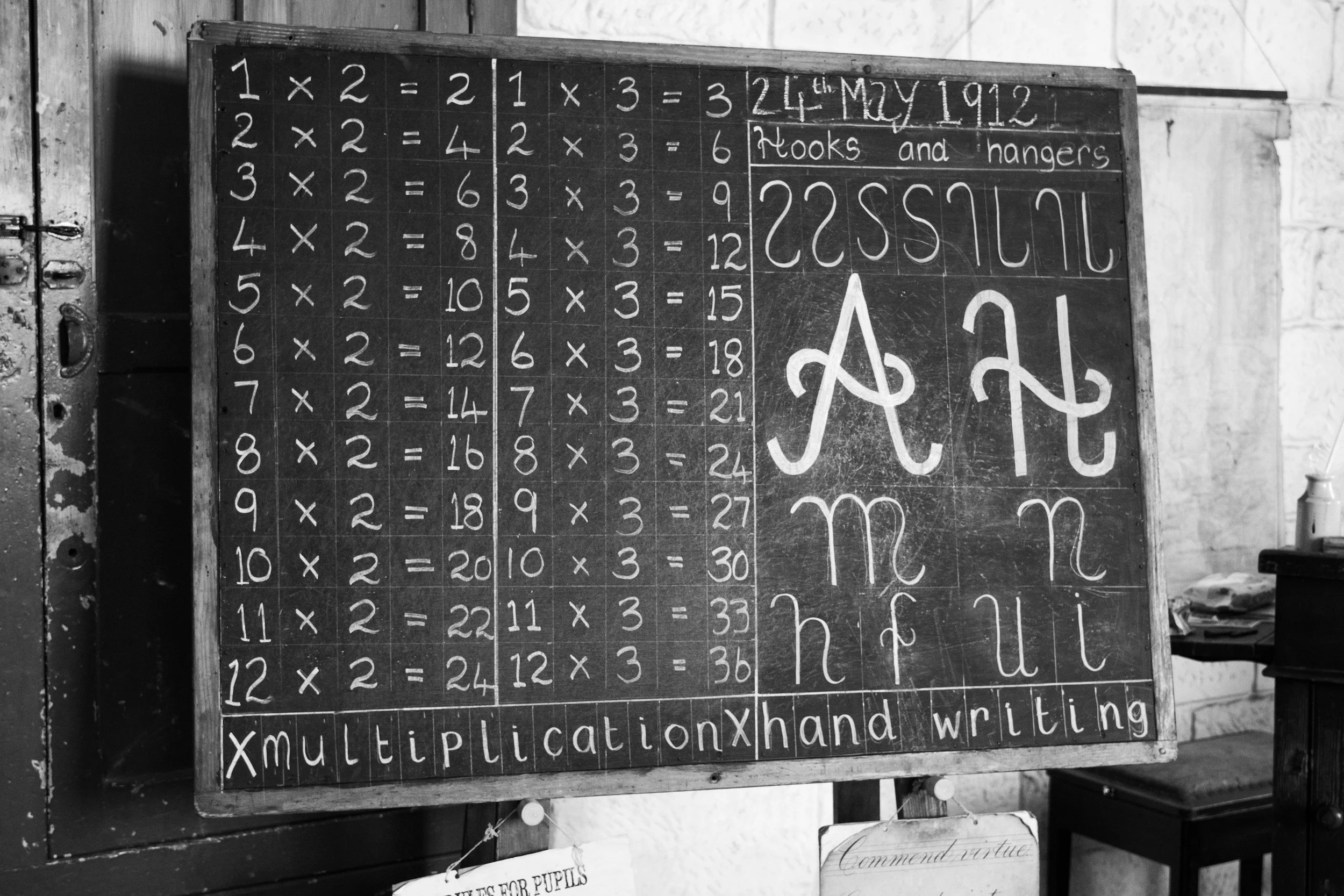
Memorization asks the brain to store isolated facts with no connecting logic. For a typical learner, this is difficult but manageable. For students with dyslexia, dyscalculia, ADHD, or working-memory challenges, that kind of disconnected storage is fragile and easily lost, especially under pressure.
Add a timer to the mix, and anxiety spikes. That anxiety further blocks recall, creating a painful loop: the child cannot remember the fact quickly, feels the stress rise, and then remembers even less. The result is a student who may deeply understand mathematical concepts but freezes on the very facts that were supposed to be automatic. When we understand that this is a wiring and processing issue rather than a lack of effort, we can stop drilling harder and start teaching smarter. This shift is often one of the first things families discover through a psychoeducational evaluation, which reveals how a child actually processes information.
Build Number Sense First
True fluency grows from understanding how numbers relate to one another, not from disconnected recall. When a child grasps that multiplication is simply repeated addition, or that 8 times 6 is just double 4 times 6, facts become reasoned rather than merely recited. This foundation is called number sense, and it is the bedrock of real mathematical fluency.
Tools that make numbers visual and concrete help students build this understanding. Number lines, arrays, and hands-on manipulatives let a child see the structure behind the facts, giving them a reliable way to reconstruct an answer they cannot instantly recall. Rather than a dead end when memory fails, the child has a path forward. Building this kind of conceptual foundation is at the heart of the individualized support offered through our academic tutoring.
Teach Strategies, Not Just Answers
Once a child understands how numbers work, specific mental-math strategies give them reliable footholds. These strategies are especially powerful for students who learn differently, because they replace fragile memorization with flexible thinking that holds up even under stress.
Some of the most effective strategies to teach include:
Using known facts to derive unknown ones, such as building from doubles
Anchoring to landmark numbers like fives and tens
Recognizing patterns, such as the predictable rules for multiplying by nine
Connecting related operations, so addition supports subtraction and multiplication supports division
Breaking numbers apart and recombining them, like turning 7 plus 8 into 7 plus 7 plus 1
When a child has several strategies at their disposal, a forgotten fact is no longer a crisis. They simply reach for another route to the answer, building both accuracy and confidence.
Practice in Low-Pressure Ways
Repetition still matters for building fluency, but it does not have to be stressful. In fact, high-pressure practice is often counterproductive for anxious learners. The goal is to build in plenty of exposure to facts while keeping the emotional temperature low.
Games, movement, and playful practice build fluency without the dread of a ticking clock. Dice and card games, short daily bursts rather than long sessions, and cooperative rather than competitive formats all keep motivation intact. Removing the timer often unlocks far more progress than adding one ever could. When practice feels like play, children lean in rather than pull away, and the repetition they need happens almost effortlessly. Our resources include a number of family-friendly ideas for making this kind of practice enjoyable at home.
A Step-by-Step Approach to Building Fluency
Bringing these ideas together, here is a practical sequence you can follow to help your child develop genuine math fact fluency over time.
1. Start with understanding, not speed
Before worrying about how fast your child can recall a fact, make sure they understand what it means. Use visual tools and real objects so the concept is solid. Speed built on understanding is durable; speed built on rote memory tends to crumble under pressure.
2. Introduce one strategy at a time
Rather than overwhelming your child with every mental-math trick at once, teach a single strategy and let them practice it until it feels comfortable. Mastering one approach before adding another prevents confusion and builds confidence.
3. Practice little and often
Short, frequent practice sessions beat long, exhausting ones. Five or ten focused, playful minutes a day keeps facts fresh without triggering fatigue or dread. Consistency, not intensity, is what builds fluency.
4. Celebrate strategy and effort
Notice and name it when your child uses a smart strategy or persists through a hard problem. This reinforces the behaviors that lead to real learning and keeps motivation high, which matters far more than any single correct answer.
Followed patiently, this sequence helps fluency develop naturally, with speed emerging as a byproduct of understanding rather than a source of stress.
Making Math a Positive Experience at Home
For a child who has struggled with math, the subject can become tangled up with feelings of failure and dread long before they reach the actual numbers. One of the most valuable things you can do as a parent is to help repair that relationship, so math feels less like a threat and more like something they can approach with curiosity. The emotional tone you set at home matters as much as any specific strategy.
Start by keeping your own reactions calm and encouraging, even when your child is frustrated or a homework session goes sideways. Try to notice and name effort and creative thinking rather than focusing only on right answers, and resist the urge to share your own math anxieties, since children readily absorb the message that math is scary.
Look for low-stakes, everyday ways to make numbers feel useful and even fun, such as cooking together, playing games with dice or cards, or counting change, so math shows up in enjoyable contexts rather than only on worksheets.
Above all, protect your connection with your child during math time. If homework is consistently ending in tears and conflict, it is worth stepping back and getting support rather than pushing through, because a child who feels safe and capable will always learn more than one who feels defeated. Parents can build these supportive habits with guidance from our parent coaching.
When Math Struggles Point to Something Deeper
Sometimes persistent difficulty with math facts is a sign of an underlying learning difference, such as dyscalculia or a working-memory challenge, rather than a lack of practice. If your child works hard but continues to struggle, experiences intense math anxiety, or falls further behind despite support, it is worth taking a closer look.
Understanding the specific way your child's brain processes numbers allows you to target support precisely rather than guessing. A thorough evaluation can clarify what is really going on and open the door to strategies that fit your child. You can learn more about the range of assessment and support options on our services page, and parents of older students can find tailored guidance through our resources for teens.
Celebrate Growth Over Speed
For a child with learning differences, confidence is fuel. When a child believes they can do math, they engage; when they believe they cannot, they retreat. That is why it is so important to notice and name progress, whether it is greater accuracy, the use of a clever strategy, or simply the willingness to keep trying after a hard problem.
Speed tends to follow understanding, so trust the process. Resist the temptation to compare your child to a stopwatch or to their peers. Every child's brain develops on its own timeline, and a child who builds fluency through genuine understanding gains something far more valuable than fast recall: a durable, flexible relationship with math that will serve them for years.
Helping Your Child Thrive in Math
Math fact fluency is worth pursuing, but not at the cost of your child's confidence and love of learning. By building number sense first, teaching flexible strategies, practicing in low-pressure ways, keeping the experience positive, and celebrating growth over speed, you can help your child develop the fluency they need without the tears and frustration that timed drills so often bring.
At Mind By Design, we help students build math and academic skills through approaches tailored to how their brains actually learn. If math facts have become a source of stress in your home, we invite you to reach out and learn more about how our specialized, individualized support can turn frustration into genuine fluency and confidence.
Every learning difference is an opportunity to discover new strengths. We’re here to support your family in celebrating what makes your child uniquely amazing. Contact us today to learn more or get started!
