


More Than a Number
IQ testing, also called cognitive assessment, measures how your child processes information, reasons through problems, stores and retrieves information from memory, and handles processing speed. But at Mind by Design, we’re not interested in reducing your child to a single score. We use cognitive assessment to understand the pattern of your child’s abilities: where they’re strong, where they need support, and how those strengths and weaknesses interact with each other and with their academic and daily functioning.
A cognitive assessment can be conducted as a standalone evaluation or as part of a broader psychoeducational evaluation. When it’s part of a comprehensive evaluation, the cognitive data helps us understand why a child is struggling academically, whether there’s a gap between their intellectual ability and their achievement, and what interventions will be most effective.
Some families also seek IQ testing for gifted program admissions, private school placement, or to better understand an unusually uneven learning profile (for example, a child who excels in verbal reasoning but struggles with processing speed).

Is IQ Testing Right for Your Child?
Families pursue cognitive assessment for a range of reasons. You might be considering IQ testing if your child’s school or a private school requires a cognitive assessment for admissions or program placement. Maybe you’re exploring whether your child qualifies for a gifted program and need documentation of their cognitive abilities.
IQ testing is also valuable when there’s a disconnect between what you know your child is capable of and what their grades or academic performance reflect. A cognitive profile can reveal whether processing speed, working memory, or another specific area is creating a bottleneck that affects classroom performance even when overall intelligence is strong.
For children who have already been identified as twice exceptional (gifted with a co occurring learning difference), cognitive testing helps tease apart which abilities are advanced and which need targeted support, so families and educators can nurture the gifts while addressing the challenges.
What to Expect During IQ Testing
Phase 01
Before Testing Begins
We discuss your reasons for seeking cognitive assessment, your child’s academic and developmental history, and any specific programs or placements that require testing.
Phase 02
During the Evaluation
Your child works one on one with a licensed educational psychologist or clinical psychologist in a single session, typically lasting two to three hours. We use standardized cognitive assessment tools that measure verbal reasoning, visual spatial reasoning, fluid reasoning, working memory, and processing speed. The evaluation is interactive and engaging, and our evaluators are skilled at helping children feel comfortable and perform at their best.
Phase 03
After Testing Is Complete
You receive a detailed report that explains your child’s cognitive profile, including relative strengths and areas where they may need additional support. If the testing is for program admissions, the report includes all scores and documentation required by the school or program.
Phase 04
Your Feedback Session
We review the results together, explain what the scores mean in practical terms, and answer all of your questions. If the cognitive profile reveals patterns that suggest a learning difference or a need for further evaluation, we’ll discuss those options with you.
Your Child’s Evaluators
IQ testing at Mind by Design is conducted by our licensed educational psychologists and clinical psychologists, each of whom has extensive experience administering and interpreting cognitive assessments for a wide range of purposes, from understanding learning profiles to gifted program admissions to clarifying the cognitive factors behind academic challenges.

Jana Parker
Licensed Educational Psychologist #3272, Certified ADHD Professional (ADHD CCSP), Board Certified School Neuropsychologist (ABSNP)
Jana’s neuropsychological training allows her to interpret cognitive scores in the context of the full learning profile, identifying not just overall ability but the specific processing patterns that shape how your child learns.

Bethanie Sheaffer
Licensed Educational Psychologist #3657, Certificate of Advanced Graduate Study (CAGS), Nationally Certified School Psychologist (NCSP), Board Certified School Neuropsychologist (ABSNP)
Bethanie’s decade of assessment experience includes identifying twice exceptional profiles where giftedness and learning differences coexist, requiring careful interpretation of cognitive data.
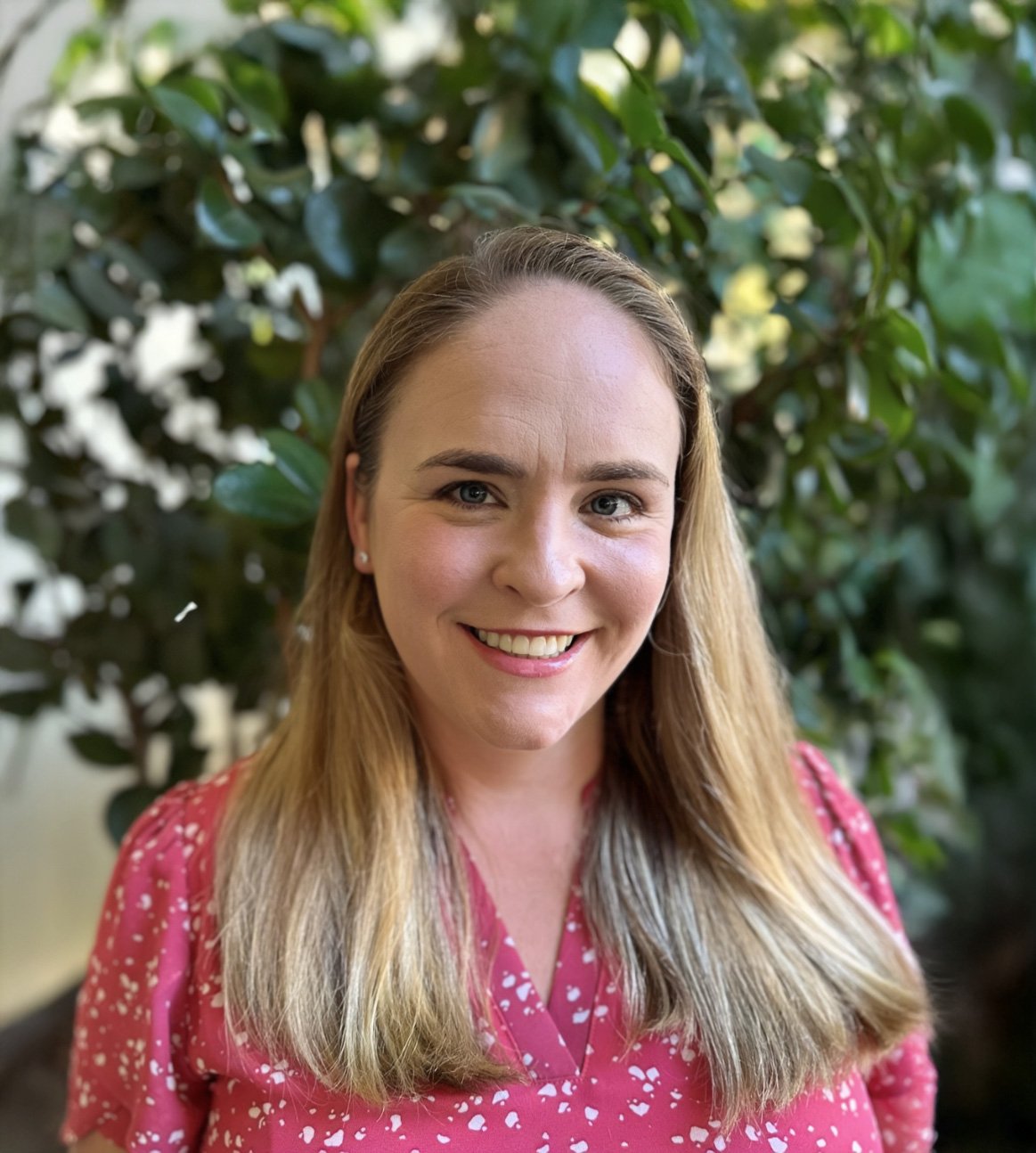
Erin Cunning
Licensed Educational Psychologist #3643, Master of Arts (MA), Certificate of Advanced Graduate Studies (CAGS), Nationally Certified School Psychologist (NCSP)
Erin brings a student centered approach to cognitive assessment, helping families understand what the scores mean in practical terms for their child’s educational experience.

Christina Reilly
Licensed Educational Psychologist #4038, Licensed Marriage and Family Therapist #145096, Nationally Certified School Psychologist (NCSP)
Christina’s broad clinical background allows her to place cognitive findings in the context of a child’s emotional and relational functioning, providing a fuller picture than test scores alone.

Claire Baldal
California Licensed Educational Psychologist LEP #4927
Over the past six years, Claire has worked as a school psychologist in both public and independent school settings, partnering with students, families, and educators to understand each child's unique learning profile. She emphasizes clear, actionable reports designed for families to use, not to sit in a file.
Cognitive Data That Drives Better Support
When IQ testing is part of a broader evaluation, the cognitive profile becomes the lens through which we interpret everything else. A strong verbal reasoning score paired with weak processing speed tells a very different story than low scores across the board. These patterns inform how our executive function coaches design strategies, how our literacy specialists pace instruction, how our therapists approach emotional regulation work, and how our team helps you advocate for the right accommodations at school through IEP consulting.