
College Readiness for Students with Learning Differences
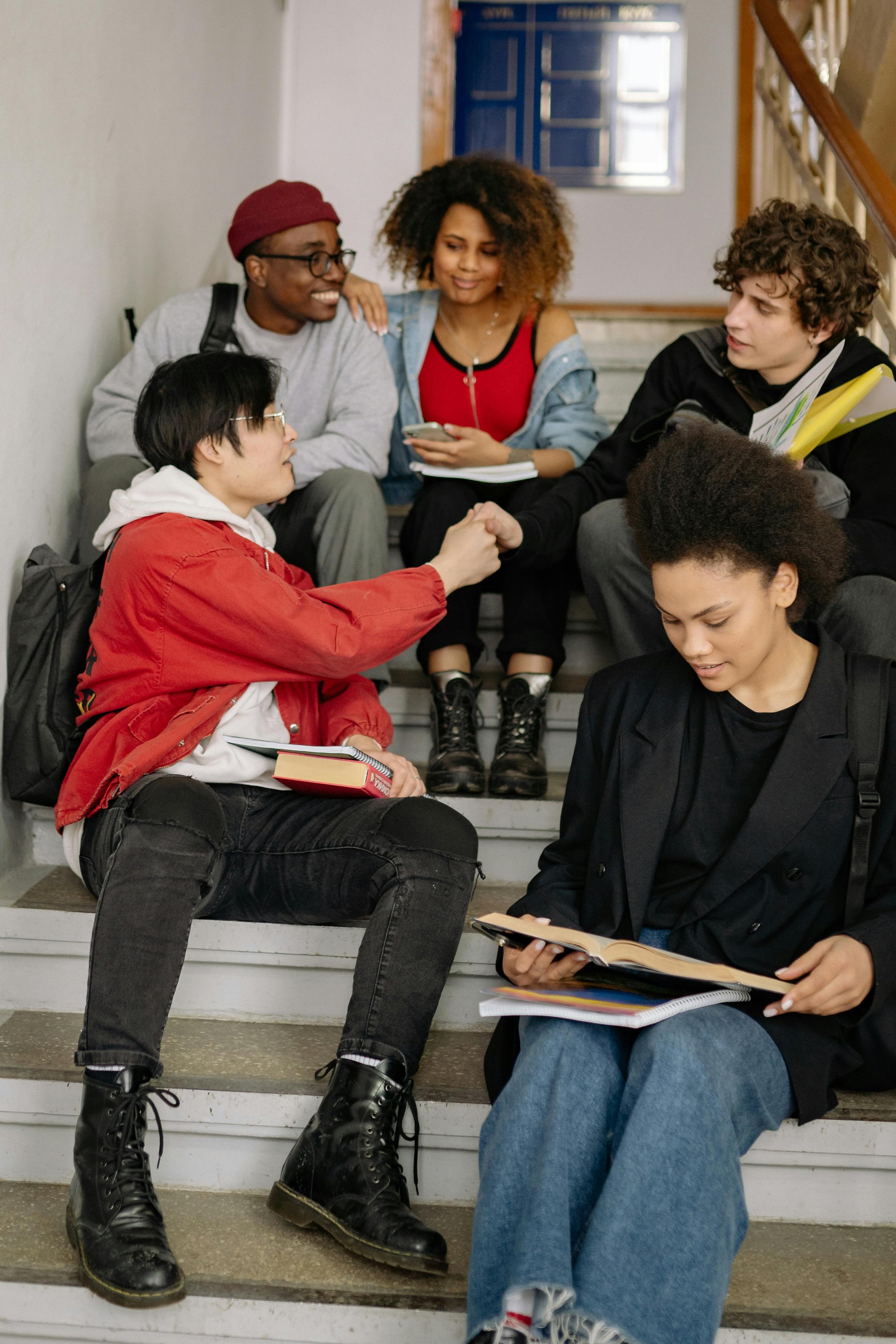
The college transition represents one of the biggest leaps in a young person's life. For students with learning differences like ADHD, dyslexia, or autism, this transition requires thoughtful preparation that goes far beyond academics. The good news is that with the right preparation, students with learning differences can absolutely thrive in college. Let's explore the critical areas families should focus on to set their neurodivergent students up for college success.
Understanding Your Child's Learning Profile
Before anything else, your child needs to deeply understand how they learn best. This self-awareness becomes the foundation for everything that follows. In high school, parents and teachers often provide structure and accommodations automatically. In college, students need to advocate for themselves, and they can only do that effectively if they understand their own needs.
If you haven't already completed a comprehensive psychoeducational evaluation, now is the time. A thorough assessment gives your student language to describe their strengths and challenges. It helps them understand why certain tasks feel harder and what strategies actually work for their brain. This isn't about labeling or limiting your child. It's about giving them tools and self-knowledge.
Students should be able to articulate things like: "I have ADHD, which means I need to break large projects into smaller steps and use external reminders," or "My dyslexia affects my reading speed, so I benefit from audiobooks and extra time on exams." This level of self-understanding transforms how students approach challenges.
Building Executive Function Skills for Independence
Executive function skills are often the make-or-break factor for college success, and for students with ADHD or other learning differences, these skills don't develop automatically. Working with an executive function coach during the high school years can make an enormous difference in building these essential abilities.
Time Management
Students need to balance competing demands and make decisions about how to spend their time without daily parental reminders.
Task Initiation
The ability to start assignments and projects independently becomes critical when there's no one checking that work is complete.
Organization
Managing materials, files, and information requires systems that work for each student's unique brain.
Planning and Prioritizing
Breaking large projects into manageable steps and determining what needs attention first are essential college skills.
Self-Monitoring
Students must develop awareness of their own progress, catching problems before they become overwhelming.
Flexibility
Learning to adapt when plans change or when unexpected challenges arise helps students navigate the unpredictable nature of college life.
The goal isn't perfection but developing awareness of what works and having strategies to fall back on when things get challenging.
Navigating Disability Services and Accommodations
Here's something that surprises many families: IEPs don't transfer to college. The legal framework shifts from IDEA (which governs K-12 education) to the ADA and Section 504. This means the responsibility for securing accommodations moves from the school to the student.
In college, your student will need to register with disability services, provide documentation of their disability, and actively request accommodations each semester. They'll need to communicate with professors about their needs and follow through with using approved accommodations. This is a significant shift, and students need preparation.
Start practicing self-advocacy during high school. Encourage your teen to attend IEP meetings and speak about their own needs. Have them practice explaining their learning differences to teachers and requesting accommodations. Many students feel uncomfortable with this at first, but it's a skill that improves with practice.
Understanding what accommodations are reasonable and how to request them effectively is crucial. Students should know which accommodations have been most helpful in high school and be prepared to discuss why they need them. If your family needs support navigating these transitions, educational consulting can help bridge the gap between high school and college services.
Academic Preparation Beyond Just Grades
While grades matter for college admission, academic readiness goes deeper than GPA. Students need study strategies that work for their learning profile, the ability to read and comprehend college-level texts, note-taking skills that help them retain information, and the capacity to write essays and papers independently.
For students with dyslexia, reading demands in college can feel overwhelming. Building reading stamina, learning to use assistive technology like text-to-speech software, and developing strategies for tackling dense academic texts are all essential preparations. The goal isn't to read like everyone else. It's to find efficient strategies that work.
Similarly, students with ADHD often struggle with long-term projects and papers that require sustained focus and organization over weeks or months. Breaking these tasks into manageable steps, building in accountability checkpoints, and learning to use tools like outline programs or concept mapping software can make these assignments much more manageable.
Consider whether academic support might help your student build confidence in these areas before leaving for college. It's much easier to develop these strategies at home with support than to figure them out while juggling the full demands of college life.
Developing Self-Care and Independent Living Skills
Academic skills aren't the only consideration for college readiness. Students need to manage their own daily lives, often for the first time, and for neurodivergent students, these executive demands can be just as challenging as the academic ones.
1. Sleep Management
Getting enough rest becomes the student's responsibility, requiring awareness of how sleep affects focus and mood.
2. Nutrition and Meals
Eating regularly and nutritiously without parental reminders requires planning and attention to body signals.
3. Basic Life Tasks
Doing laundry, keeping living spaces organized, and managing personal belongings all require systems and follow-through.
4. Financial Management
Budgeting money, tracking expenses, and making responsible spending decisions are new responsibilities for most college students.
5. Medication Consistency
Taking prescribed medications independently and on schedule is critical for students who rely on them for focus or mood regulation.
6. Recognizing When to Seek Help
Knowing when challenges require professional support and actually reaching out are essential self-care skills.
Start building independence in these areas during high school by gradually handing over responsibility while you're still around to support problem-solving. If your family could benefit from guidance in this process, parent coaching can help you know which responsibilities to hand over when.
Creating a Support Plan
Even the most prepared students will need support in college. The question is: what does that support system look like? Before your student leaves for college, work together to create a plan that includes campus resources like disability services, tutoring centers, counseling services, academic advisors, and peer support groups.
Also consider off-campus resources. Many students benefit from continuing to work with professionals who understand their learning profile. This might include ongoing executive function coaching via video calls, therapy for managing stress and anxiety, or regular check-ins with an educational consultant. Technology makes it possible to maintain these support relationships even when students are away at school.
Help your student identify the early warning signs that they're struggling and create a plan for what to do when that happens. This might include reaching out to disability services, talking to professors, connecting with a counselor, or calling home for support. The goal is to catch small problems before they become overwhelming.
Finding the Right College Fit
Not all colleges are created equal when it comes to supporting students with learning differences. As you explore colleges, look at the size and responsiveness of disability services offices, availability of academic support services, flexibility in course scheduling and requirements, campus culture around diversity and inclusion, and mental health resources.
Some colleges offer structured programs specifically for students with learning differences, providing additional layers of support. Others have strong disability services but expect students to be quite independent in accessing them. The right fit depends on your student's specific needs and level of independence.
During campus visits, meet with disability services staff. Ask specific questions about how accommodations work, what support is available, and how proactive they are in helping students succeed. Your student's comfort with the disability services team matters as much as the services themselves.
Moving Forward with Confidence
Preparing for college can feel overwhelming, but remember that every conversation about self-advocacy and every system you help your student build is creating the foundation for success. With preparation, self-knowledge, and the right supports, students with learning differences thrive in college every day.
If you're feeling uncertain about your child's readiness or want to ensure they have the skills they need, reach out to us. At Mind by Design, we specialize in helping families navigate these transitions, building on strengths while addressing challenges with compassion and expertise.
Every learning difference is an opportunity to discover new strengths. We’re here to support your family in celebrating what makes your child uniquely amazing. Contact us today to learn more or get started!
