
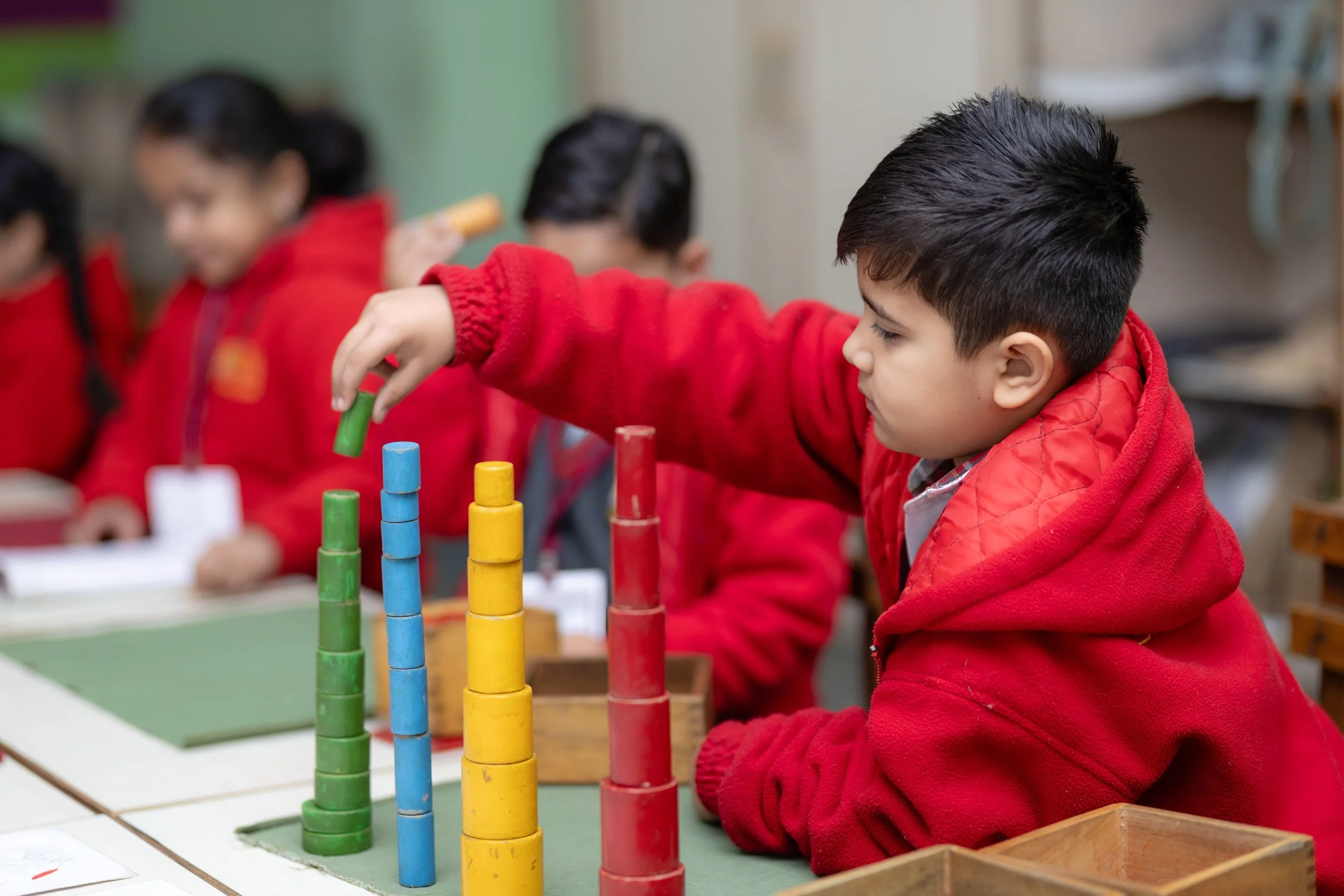
Back to School Planning for Students with Learning Differences
A practical roadmap for setting up the new school year with the routines, documents, and conversations that help kids with learning differences thrive.
Advocating for Accommodations in Extracurricular Activities
A step-by-step guide to requesting and securing accommodations for your child in sports, clubs, camps, and other after-school activities.

Practical Strategies for Daily Success With Working Memory Challenges
A family-friendly guide to understanding working memory and the daily strategies that help children with working memory challenges thrive at home and at school.

Supporting Students with Learning Differences
A grounded look at how parents, educators, and clinicians can work together to support students with learning differences in ways that build confidence and skill.
Helping Your Child Find Balance With Perfectionism and Learning Differences
This blog explores how perfectionism shows up in children with learning differences and shares strategies parents can use to help their child develop a healthier relationship with mistakes and effort.

Writing Support for Students with Dysgraphia and Learning Differences
This blog explores what dysgraphia looks like in students and shares practical strategies, tools, and professional support options to help children with writing challenges succeed.

Morning and Homework Routines That Actually Work for Kids with Executive Function Challenges
Creating effective morning and homework routines for children with executive function challenges requires understanding how their brains work and building systems that work with them, not against them.

Assistive Technology Tools That Make a Difference for Students with Learning Differences
The right assistive technology can transform a struggling student's academic experience by providing tools that work with their learning profile rather than against it.

Setting Your Child Up for Success After Winter Break
The return to school after winter break can be challenging for children with learning differences, but the right strategies can make the transition smoother and set the stage for a successful semester.
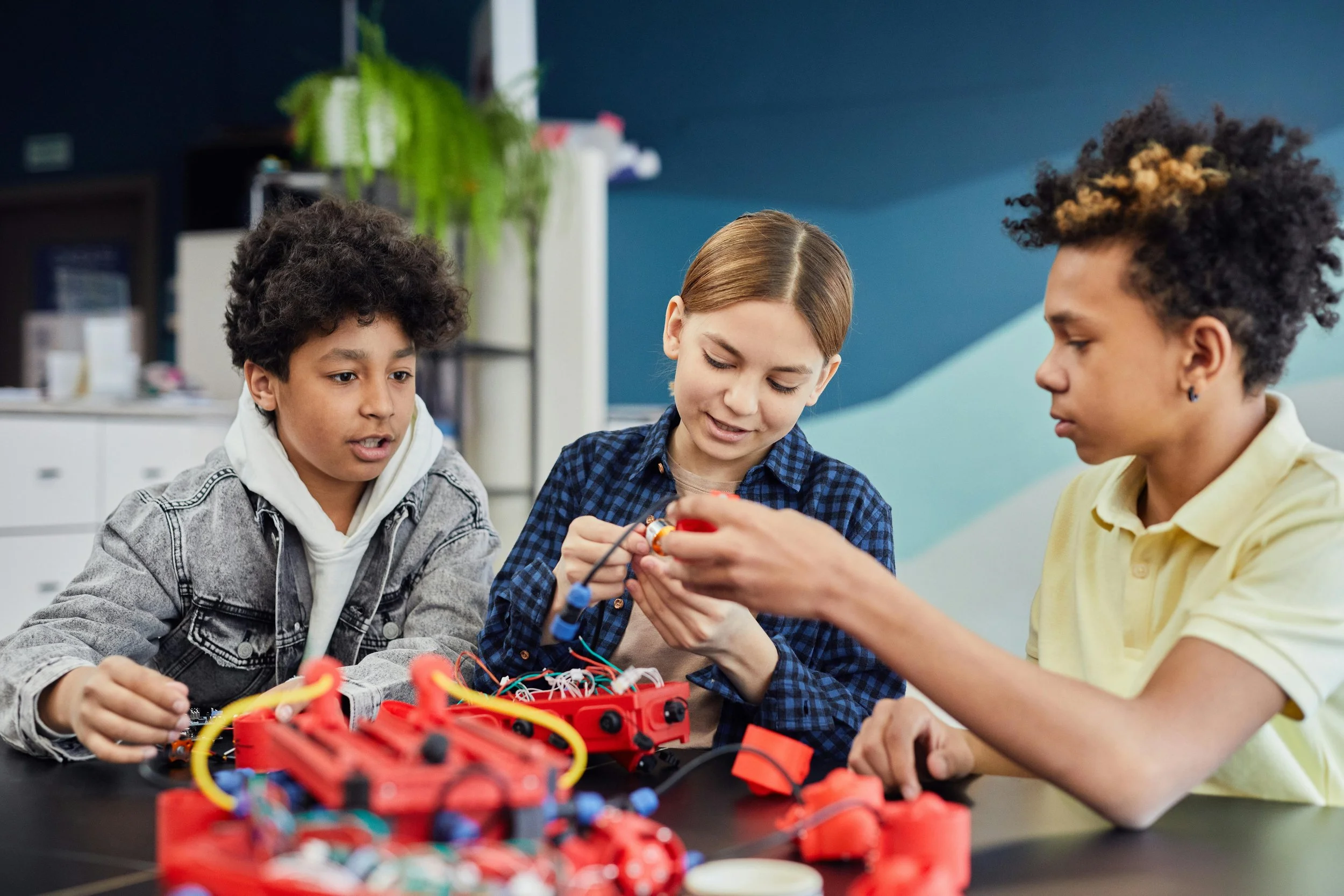
Navigating School Transitions with Learning Differences
School transitions with learning differences require careful planning, communication, and support to ensure students maintain progress and confidence at each new academic level.

Building Resilience in Children with Learning Challenges
Building resilience in children with learning challenges involves developing their emotional strength, self-advocacy skills, and growth mindset to overcome obstacles and thrive.

Supporting Siblings of Children with Learning Differences
Supporting siblings of children with learning differences requires intentional strategies to ensure every child feels valued, understood, and emotionally supported within the family dynamic.

The Value of Multidisciplinary Approaches to Learning Challenges
Complex learning challenges require comprehensive solutions that address all aspects of a child's development through coordinated professional expertise.
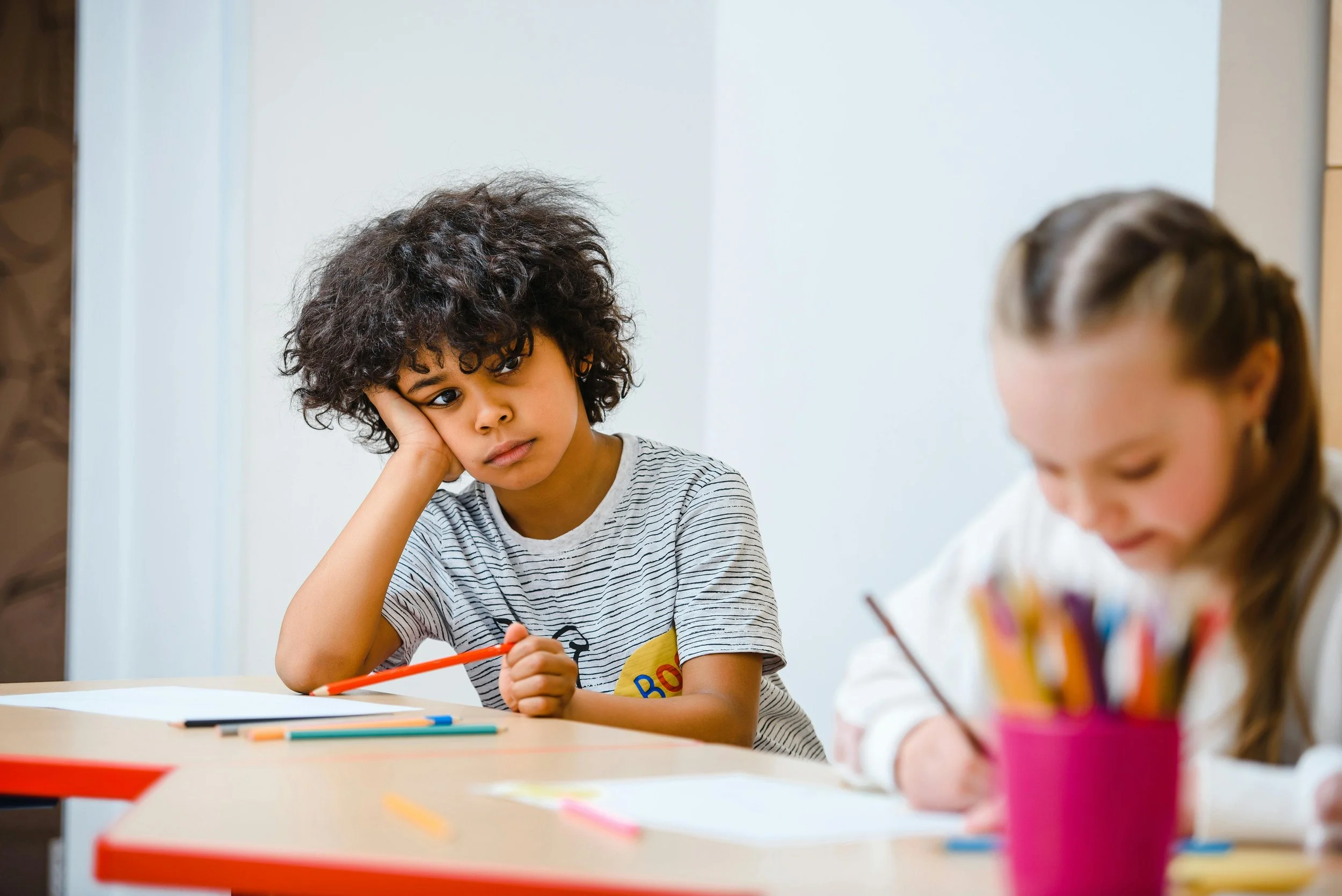
Academic Tutoring vs. Remediation: Understanding Which Approach Your Child Needs
When your child struggles academically, the array of support options can feel overwhelming. Terms like tutoring, remediation, intervention, and enrichment get used interchangeably, but they represent very different approaches to learning support.

The Impact of Learning Differences on Self-Esteem: Proactive Strategies for Parents
Learning differences don't just affect how children process information in the classroom; they fundamentally shape how children see themselves and their place in the world.

Navigating the IEP Process
The Individualized Education Program (IEP) process can feel overwhelming for parents navigating special education services for the first time.
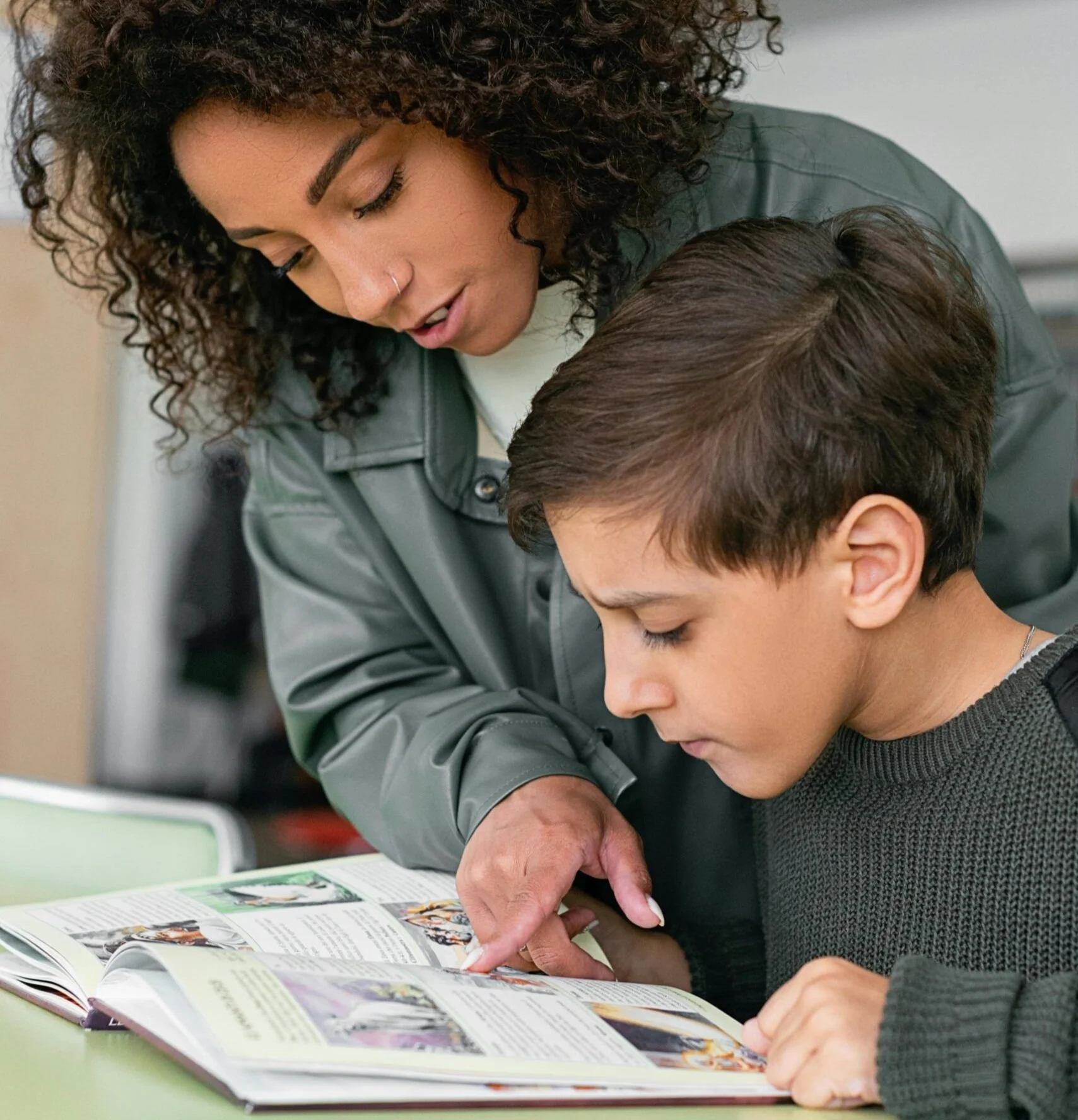
Multisensory Approaches to Literacy Support
Traditional literacy instruction often relies heavily on visual and auditory processing, expecting students to learn through seeing letters and hearing sounds. However, for many learners, particularly those with dyslexia or other reading difficulties, this approach may not be sufficient.

Twice-Exceptional Students: Nurturing Gifts While Supporting Challenges
When a child demonstrates exceptional abilities in certain areas while simultaneously facing significant learning challenges in others, they fall into a unique category known as twice-exceptional, or "2e" students.

Age-appropriate Approaches for Talking to Your Child About Their Learning Difference
One of the most important conversations parents face is discussing a learning difference with their child. These discussions shape how children view themselves as learners and individuals.