
Understanding Rejection Sensitive Dysphoria in ADHD
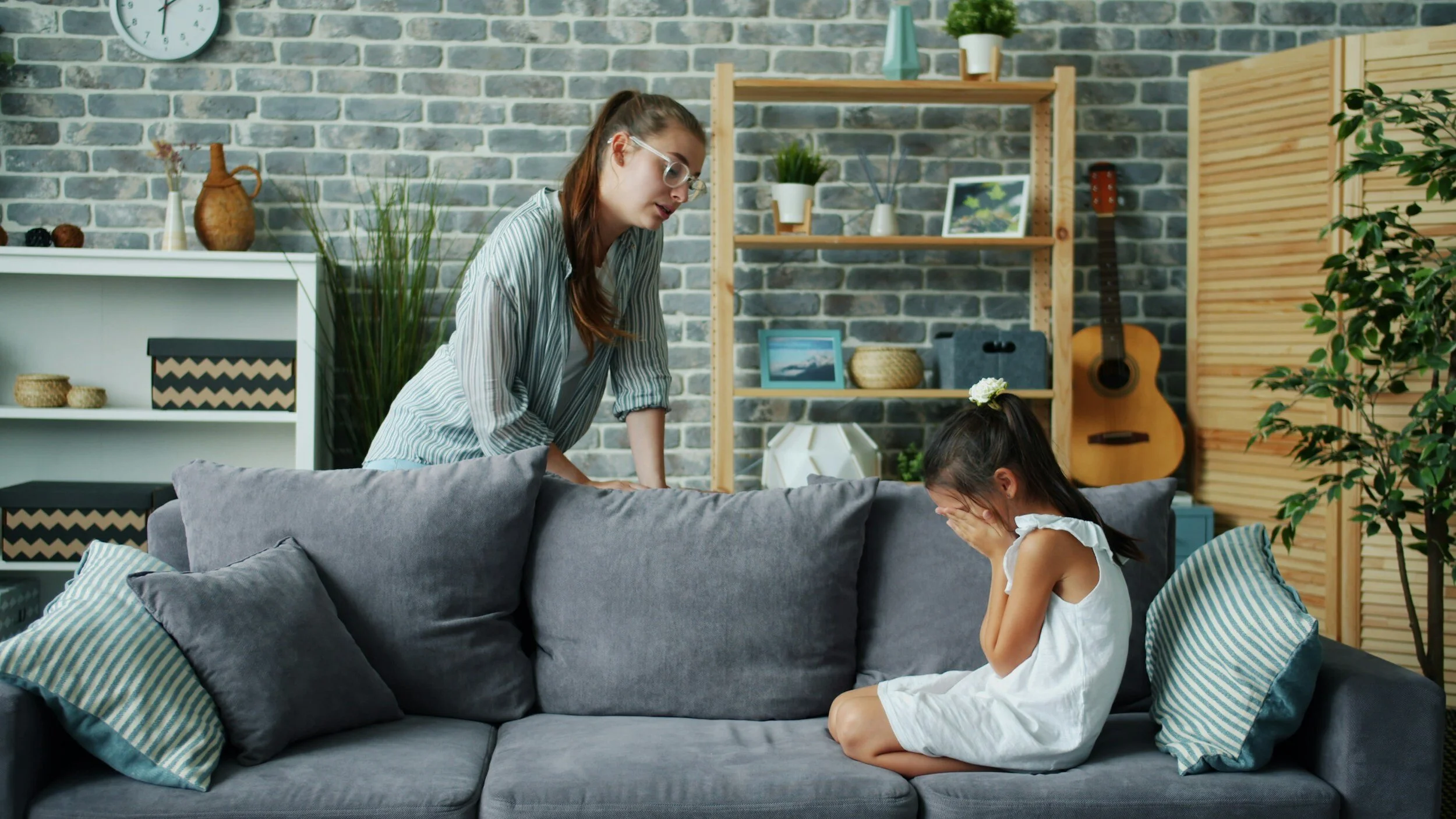
If you parent a child with ADHD, you have probably seen it happen. A gentle correction from a teacher, a small change in a friend's tone, a moment of being left out at recess, and suddenly your child is sobbing inconsolably, raging behind a slammed bedroom door, or crawling into themselves in a way that feels disproportionate to what just happened. To outside observers, the reaction looks like an overreaction. To you, it looks like genuine pain.
There is a name for this experience, and understanding it can change everything about how you respond. Rejection sensitive dysphoria, often shortened to RSD, is one of the least understood but most impactful aspects of ADHD for many children and adults. This post is about what RSD is, why it happens, and how families can support a child whose emotional experience runs deeper than the surface story suggests.
What Rejection Sensitive Dysphoria Actually Is
Rejection-sensitive dysphoria refers to an extreme emotional response to real or perceived criticism, rejection, or failure. The word dysphoria itself comes from a Greek root meaning hard to bear, and that captures something important about the experience. For a child with RSD, even a small slight can feel physically painful. The hurt is real, sharp, and overwhelming.
RSD is not officially listed as a separate diagnosis in clinical manuals, but it is widely recognized among clinicians who work with neurodivergent children and adults. Researchers believe it is connected to differences in how the ADHD brain processes emotional information, particularly in the regions that handle social cues and self-evaluation. What this means in practical terms is that a child with ADHD may simply experience emotional intensity at a different volume than their peers, and that intensity tends to spike around moments of perceived rejection.
How RSD Shows Up at Different Ages
RSD does not look the same in every child, and the way it presents often changes as kids grow. Recognizing the patterns can help you respond more accurately to what is actually happening underneath the surface behavior.
Common ways RSD shows up across childhood include:
Intense emotional reactions to corrections, even gentle ones, that seem disproportionate to the moment
Refusal to try new things out of fear of failing or looking foolish
Avoiding situations where they might be evaluated, including sports, performances, or new social groups
Sudden withdrawal from friends after a small misunderstanding or perceived slight
Black-and-white thinking, where one negative comment cancels out a hundred positive ones
People-pleasing behavior driven by fear of disappointing others
Anger that seems to come from nowhere, often directed at safe adults
Self-criticism that is far harsher than anything they would say to a friend
A tendency to apologize excessively or assume responsibility for things that are not their fault
For younger children, RSD often shows up as big tantrums or meltdowns following ordinary corrections. For older kids and teens, it may move inward and look more like withdrawal, perfectionism, or self-loathing. Many parents describe their child as having a thin emotional skin, and that metaphor captures something important about the lived experience.
The Brain Science Behind the Big Feelings
Understanding neuroscience can help reframe RSD from a behavior problem to a brain-based experience. ADHD involves differences in how the brain regulates attention, impulse control, and emotional response. The same neural pathways that make focusing harder also make emotional braking harder. When a child with ADHD feels rejected, the emotional surge hits with full force before the thinking part of the brain has time to step in and add context.
This is not weakness, manipulation, or drama. It is the way their nervous system is built. When we understand this, we can stop asking why they cannot just get over it and start asking what they need from us in that moment. For families who want a deeper dive into the day-to-day reality of emotional intensity in ADHD, our post on addressing frustration, anxiety, and self-esteem in ADHD is a helpful next read.
How to Support a Child Living With RSD
The good news is that there is a great deal parents can do to soften the impact of RSD and help children build the skills they need to ride emotional waves with less damage. Here are five strategies that tend to make a real difference in families.
1. Name What Is Happening
Children with RSD often feel ashamed of their reactions, which compounds the original pain. Gently naming the experience can be hugely relieving. You might say something like, "I think your brain is feeling really sensitive to that comment right now, and that is making it hurt extra much." Putting language around the experience helps your child understand that their reaction is not a character flaw but a feature of how their brain works.
Over time, many children begin to recognize the pattern themselves. They may even start to name it in real time, which is the first step toward learning to manage it.
2. Lead With Repair, Not Reasoning
When your child is in the middle of an RSD wave, logic will not land. Their thinking brain is offline, and trying to talk them out of their feelings often makes things worse. The most powerful thing you can offer in those moments is a steady, non-anxious presence. Sit nearby. Lower your voice. Resist the urge to fix or explain.
Once the storm passes, repair conversations become possible. That is the moment for reflecting together on what happened, what they were feeling, and what might help next time. Repair done well actually builds connection and resilience.
3. Build a Library of Counter-Evidence
Children with RSD tend to give enormous weight to negative experiences and very little weight to positive ones. You can help balance this by deliberately building what some therapists call a counter-evidence library. This might be a jar of notes from people who love them, a folder of teacher comments, or simply a regular practice of pointing out the moments that contradict their worst story about themselves.
The goal is not to argue with their feelings. It is to gently offer their brain more data, so that over time the inner narrative becomes less skewed.
4. Teach the Pause
Helping children create a small gap between feeling and reacting is one of the most valuable skills they can learn. This might be as simple as a deep breath, a hand squeeze, or a phrase like "let me think about that for a minute." These tools do not eliminate the emotional surge, but they create just enough space for the thinking brain to catch up.
Practicing these skills outside of crisis moments is essential. When kids only encounter regulation tools during meltdowns, they learn to associate them with stress. Practicing them during calm times makes them accessible when needed. Our blog on emotional regulation strategies that work for children with ADHD and autism has more concrete suggestions.
5. Protect Self-Concept Fiercely
Children with RSD are at higher risk of building a deeply negative self-concept because every perceived rejection feels like proof that something is wrong with them. As a parent, one of your most important jobs is to actively contradict that story with your words and actions. Tell them what you see in them. Notice their efforts, their kindnesses, their unique ways of thinking.
This is not about empty praise. It is about being a steady mirror that reflects back who they actually are, especially when they cannot see it themselves.
These supports work best when offered consistently over time, with patience for the inevitable setbacks. Healing the emotional patterns around RSD is slow work, but it is deeply worthwhile work.
When Professional Support Helps
Some children benefit enormously from working with a therapist who understands the emotional landscape of ADHD. Therapy can give children language for their experience, strategies for managing intense emotions, and a safe space to process the accumulated hurts that often come with growing up neurodivergent. If you have not yet pursued a formal ADHD evaluation, that can also be a meaningful step toward understanding the full picture of your child's profile.
For older children and teens, coaching that addresses both emotional regulation and the executive function challenges of ADHD often makes a noticeable difference in daily life. Our executive function coaching services are designed to support the whole picture, not just isolated skills. Many families also find that working with a parent coach gives them new tools for responding in the moments that matter most.
Moving Forward With Compassion
Understanding RSD does not make it disappear, but it changes the meaning of what you are seeing. When you can recognize that your child's intense reaction is a brain-based experience rather than a willful overreaction, you free yourself to respond with the warmth and steadiness they need. Over time, with the right support and understanding, children learn to ride the waves of emotion with more grace and less damage.
If you would like to talk through what RSD looks like in your family, our team is here. We work with children, teens, and parents across the South Bay to build the kind of understanding and skills that change daily life. Reach out anytime you are ready.
Every learning difference is an opportunity to discover new strengths. We’re here to support your family in celebrating what makes your child uniquely amazing. Contact us today to learn more or get started!
