
Summer Skill Maintenance Without the Stress
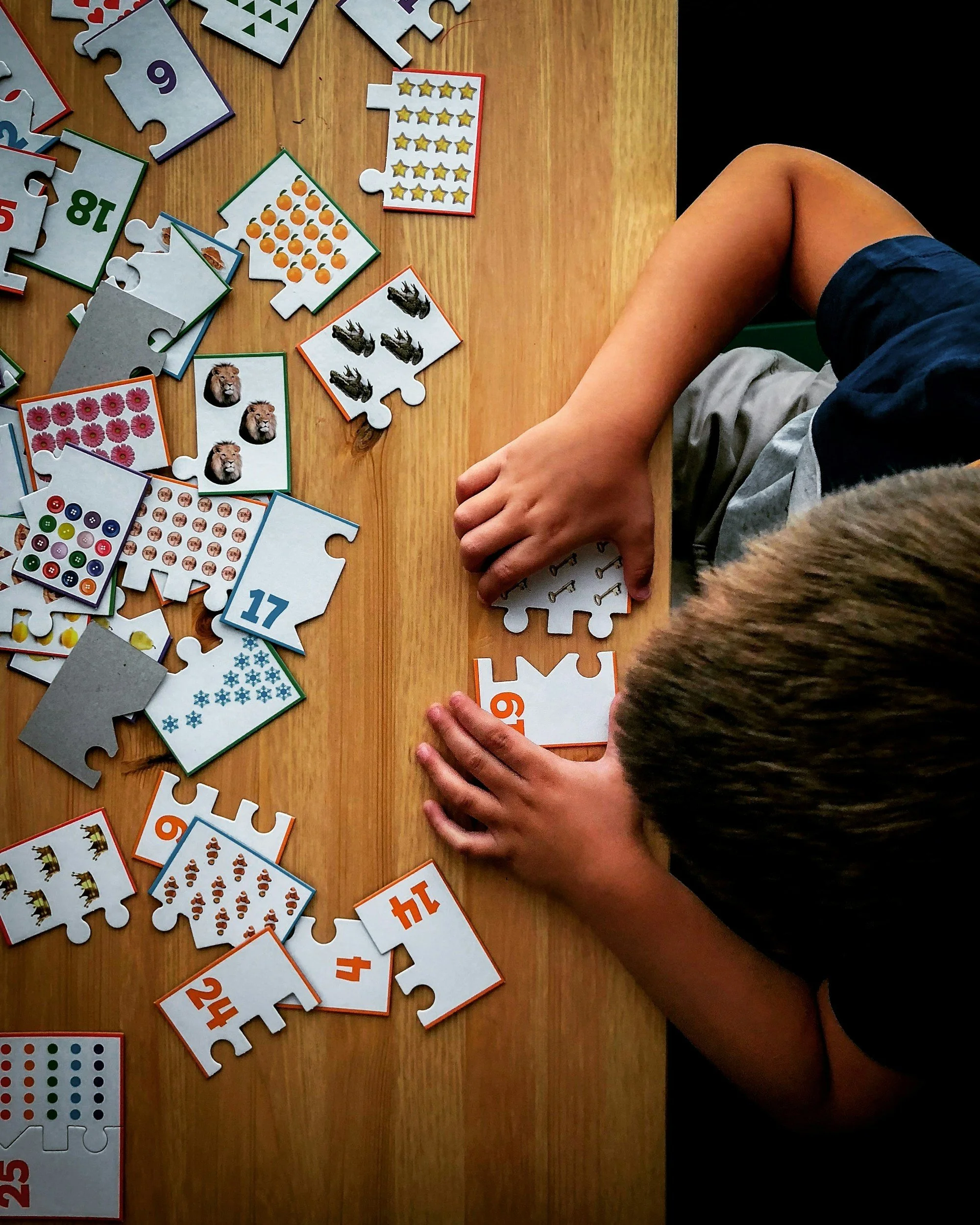
The last day of school carries a particular kind of magic. Backpacks dropped in the hallway, paper schedules abandoned, the long unscheduled days finally stretching ahead. And then, somewhere around the second week, a familiar question creeps in for parents. How much should we be doing this summer? Are they falling behind? Should we be drilling math facts at the kitchen table?
This is one of the most common worries parents bring to us, especially families whose children worked hard during the school year. The truth is that summer skill maintenance does not have to look anything like school. With a little intention and a lot of permission to keep things low-key, you can support your child's learning without sacrificing the rest and play they genuinely need. Here is how to think about it.
Why Summer Skill Maintenance Matters (And Why It Does Not Need to Be Intense)
Research has shown that academic skills can fade over a long break without practice, particularly in areas like reading fluency and math fact recall. For children with learning differences, this gap can feel even more pronounced when school resumes. Understandably, parents want to protect the progress their kids worked hard to make.
At the same time, summer serves a real developmental purpose. Children need unstructured time to play, rest, and explore interests outside of academic performance. The nervous system needs time to recover from the constant evaluation and structure of the school year, especially for kids who find school environments challenging. The goal of summer skill maintenance is not to recreate school. It is to keep the embers warm so they can be easily relit in August.
Reframing What Maintenance Really Means
A lot of summer enrichment programs and curricula are built around the idea that more is better. More workbooks, more flashcards, more structured learning time. But for many children, especially those with attention or processing differences, this kind of intensity backfires. They start to associate learning with stress, and by the time school resumes they are already worn out.
The reframe we offer families is this. Skill maintenance is mostly about preventing significant regression, not about pushing forward. A child who reads for twenty minutes a day, encounters numbers in everyday life, and writes occasionally in some form will keep their core skills warm. They do not need an hour-long daily worksheet routine to stay ready for the next school year.
Which Skills Are Worth Keeping Warm
Not every academic skill needs equal attention over the summer. Some areas slide more easily than others, and some are more critical to maintain because they form the foundation for the year ahead. Understanding which areas to prioritize helps you spend your family's energy wisely.
The skills most worth maintaining over the summer tend to include:
Reading fluency and stamina, which fade quickly without regular practice
Math fact recall, particularly for younger elementary students still cementing the basics
Writing fluency, in any form, even if it is a journal, a comic, or text messages
Vocabulary exposure, often through audiobooks, podcasts, or family conversation
Executive function habits like managing a daily routine, transitions, and self-regulation
Social skills, which need real-world practice in low-pressure settings
Language processing skills, which benefit from rich conversation and storytelling
You will notice that most of these skills can be maintained through ordinary life rather than formal instruction. A child who is regularly read to, engaged in conversation, and asked to help plan and execute simple tasks is exercising more of these muscles than parents often realize.
For families whose children receive specialized support during the school year, summer can also be an opportunity to address specific skills with a different rhythm. Some children benefit from continuing weekly sessions with their tutor or therapist, while others do better with a short summer-only intervention. Our literacy support and intervention services often pick up during summer for families who want to make meaningful gains in reading without the pressure of also keeping up with school.
Building a Low-Pressure Summer Rhythm
The most successful summer skill maintenance plans share one thing in common. They feel like part of the family's life, not an add-on chore. Here are five strategies for building a rhythm that supports learning without crowding out the rest.
1. Anchor One or Two Small Practices Into the Day
Pick no more than two daily skill-building practices and attach them to existing parts of the day. Maybe it is twenty minutes of independent reading after lunch, or ten minutes of math facts before screen time. The key is keeping it short enough that it does not generate resistance and consistent enough that it becomes part of the rhythm.
Children who know what to expect tend to settle into routines more easily than those who face new expectations every day. Predictability lowers the emotional cost of doing the work.
2. Let Interests Drive the Content
Summer is the perfect time to let your child's curiosity steer the ship. If they are obsessed with whales, read books about whales, watch documentaries about whales, write fan fiction about whales. The skill being built is the same whether the content is curriculum-aligned or driven by passion, and the engagement is dramatically higher when kids care about the topic.
This is especially true for children with learning differences who often struggle to access traditional academic content. Letting their interests lead can rekindle a love of learning that the school year may have dimmed.
3. Lean Heavily on Audiobooks
Audiobooks are one of the most underused summer tools. They build vocabulary, comprehension, and listening stamina without requiring decoding effort, which makes them especially valuable for kids with dyslexia or reading struggles. Long car rides, quiet afternoons, and bedtime are all perfect audiobook moments.
A child who listens to several hours of rich language a week is doing real cognitive work even when they look like they are just relaxing. Do not underestimate the value of this. For more on the connection between language and reading, our post on language processing and reading difficulties is worth a read.
4. Make Real-Life Math Visible
Math facts can be drilled, but mathematical thinking grows in the everyday world. Cooking together involves measurement and fractions. Planning a small trip involves time, distance, and budget. Letting your child be a meaningful participant in family decisions that involve numbers builds confidence and connection at the same time.
This kind of math is sticky in a way that worksheets often are not. It connects to real consequences, and it shows children that the skills they are learning have a life outside the classroom.
5. Protect Time for Nothing
This may be the most important strategy of all. Children need significant unstructured time to play, daydream, and recover from the constant pace of the school year. This is not wasted time. It is when integration happens, when interests crystallize, and when nervous systems reset.
If your child is bored, that is often a good sign rather than a problem to solve. Boredom is where creativity and self-direction grow. Resist the urge to overschedule, even with enriching activities. Some of the most valuable summer learning happens in the empty hours.
These strategies work best when chosen and adjusted to fit your particular child and family. There is no perfect summer plan, only the one that fits the people in your house.
When Extra Support Makes Sense
For some families, summer is the right time to dig into a specific skill area that needs focused attention. Children who finished the school year with specific gaps in reading, writing, or math may benefit from short-term work with a specialist. Others may need help building executive function habits before middle school or high school begins. Our team offers academic support during the summer, specifically for families who want to make targeted progress without recreating school at home.
Other parents use the summer to pursue a long-deferred evaluation or to start coaching that addresses a particular challenge. Our executive function coaching services often see increased interest in late summer as families think ahead to the new school year. If you are wondering whether your child might benefit from a closer look, summer can be a calmer time to begin that conversation. Our post on summer learning without the burnout explores this balance in more depth.
A Different Kind of Summer
The goal of summer is not to keep your child academically polished. It is to keep them whole. With a few small practices woven into the rhythm of your days, the academic skills will hold. The rest is rest, play, and the kind of unhurried childhood that does its own quiet work in the background.
If you would like to talk through your child's particular summer plan, our team is here to help. Whether you are weighing tutoring, considering an evaluation, or just trying to figure out what to prioritize, we are glad to think it through with you.
Every learning difference is an opportunity to discover new strengths. We’re here to support your family in celebrating what makes your child uniquely amazing. Contact us today to learn more or get started!
