
Understanding Sensory Processing and Its Impact on Learning
Every moment of the school day, your child's brain is taking in an enormous amount of sensory information: the hum of fluorescent lights, the feel of a pencil in their hand, the smell of the cafeteria down the hall, the sound of a classmate tapping their foot, the visual clutter of a busy bulletin board. For most children, the brain filters and organizes this information automatically, bringing important input to the foreground and pushing the rest into the background. But for children with sensory processing differences, this filtering system works differently, and the impact on learning can be profound.
If your child seems unusually bothered by things that other children barely notice, or if they seek out intense sensory experiences in ways that disrupt their day, sensory processing may be playing a bigger role in their learning than you realize. Understanding how your child experiences the world through their senses is a powerful step toward supporting them more effectively.
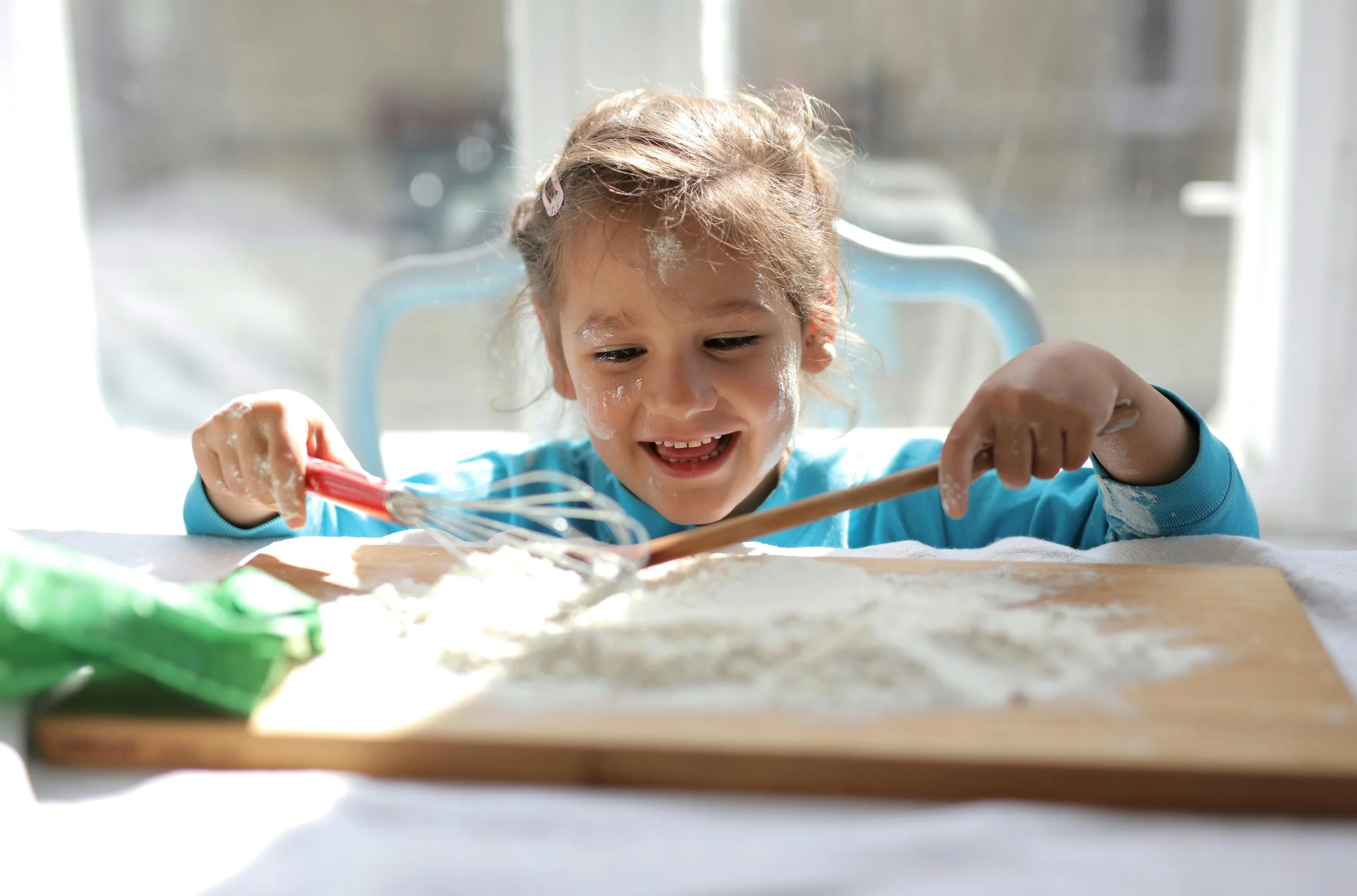
What Is Sensory Processing?
Sensory processing is the way the nervous system receives, organizes, and responds to information from the senses. Most people think of the five familiar senses: sight, hearing, touch, taste, and smell. But there are actually additional sensory systems that play a crucial role in daily functioning.
The vestibular system processes information about movement and balance, helping us understand where our body is in space and how we are moving. The proprioceptive system provides feedback from our muscles and joints about body position and the force we are using. These two systems are foundational to everything from sitting upright in a chair to writing legibly to navigating a crowded hallway without bumping into people.
Interoception is another important sensory system that helps us perceive internal body signals like hunger, thirst, temperature, and the need to use the bathroom. Children with interoceptive differences may have difficulty recognizing when they are hungry, tired, or emotionally dysregulated, which can significantly affect their ability to focus and learn.
When sensory processing works smoothly, a child can attend to the teacher's voice while ignoring background noise, tolerate the texture of their clothing while writing, and maintain a calm, alert state throughout the school day. When sensory processing is atypical, any of these tasks can become a significant challenge.
How Sensory Differences Show Up in the Classroom
Sensory processing differences manifest in different ways depending on whether a child is over-responsive, under-responsive, or sensory-seeking, and many children show a combination of these patterns across different senses.
Over-Responsive (Sensory Avoidant)
Children who are over-responsive have nervous systems that react more intensely than typical to sensory input. These children may cover their ears during fire drills, refuse to touch certain textures, become distressed by strong smells, or have difficulty with transitions because the change in environment brings a flood of new sensory input. In the classroom, over-responsivity can look like distractibility, anxiety, rigidity, or emotional meltdowns that seem completely out of proportion to the situation.
Under-Responsive (Sensory Passive)
Children who are under-responsive may seem disengaged, slow to respond, or unaware of things happening around them. They might not notice when their name is called, may appear clumsy or uncoordinated, and can seem to be "in their own world" during instruction. In the classroom, under-responsivity is frequently misinterpreted as inattention, lack of motivation, or even defiance when the child is actually not registering sensory information at the expected threshold.
Sensory-Seeking (Sensory Craving)
Sensory-seeking children actively crave intense sensory input throughout the day. They might constantly touch objects and people, make excessive noise, fidget or move constantly, chew on non-food items, or seek out rough physical play during recess and transitions. In the classroom, sensory-seeking behavior can look like hyperactivity and is often attributed to ADHD, though the underlying cause is different. Understanding whether movement and stimulation-seeking is driven by attention regulation or sensory needs shapes the most effective intervention approach.
Understanding your child's specific sensory profile is the first step toward ensuring that their classroom environment supports learning rather than working against it.
The Ripple Effect on Academic Skills
When a child is spending significant cognitive energy managing sensory input, there is less energy available for learning. This is one of the most important concepts for parents and educators to understand: sensory processing challenges do not mean a child lacks intelligence or ability. They mean the child's brain is working overtime on something that happens effortlessly for most of their peers.
Reading requires sustained visual attention, which is difficult when a child is distracted by the visual clutter of a busy classroom or the flickering of overhead lights. Writing demands fine motor control and proprioceptive awareness, which are challenging when a child's system is not accurately registering the pressure of a pencil in their hand. Math problem-solving requires working memory and focus, both of which are compromised when a child's nervous system is in a state of sensory overload or seeking.
A comprehensive psychoeducational evaluation can help distinguish between sensory-based learning challenges and other factors like specific learning disabilities, attention difficulties, or emotional concerns. For children who may be on the autism spectrum, assessment can clarify how sensory processing differences interact with other aspects of their developmental profile.
The Connection Between Sensory Processing and Emotional Regulation
Sensory processing and emotional regulation are deeply intertwined. When a child's sensory system is overwhelmed, their nervous system shifts into a stress response: fight, flight, or freeze. In a classroom setting, a fight might look like defiance or aggression. Flight might look like school avoidance or withdrawing. Freeze might look like shutting down or becoming unresponsive. None of these responses are intentional choices. They are automatic nervous system reactions to an environment that feels threatening to the child's sensory system.
Children with sensory processing differences often experience bigger emotional reactions because their baseline level of sensory stress is already elevated. A minor frustration that a sensory-typical child might shrug off can feel overwhelming to a child whose nervous system is already maxed out from the sensory demands of the school day. By the time these children get home, they may be completely depleted, leading to the "after-school meltdown" that so many parents of neurodivergent children recognize.
Counseling services that incorporate sensory awareness can help children develop a vocabulary for their sensory experiences and learn strategies for managing overwhelm. When children understand their own sensory needs, they are better able to self-advocate and make choices that support their regulation.
Strategies for Supporting Sensory Learners
Creating environments where children with sensory processing differences can learn effectively requires intentional adjustments. Here are seven strategies that can help both at home and at school:
1. Observe and Document Patterns
Before making changes, spend time noticing when and where your child struggles most. Is it worse in noisy environments? Do they have more difficulty after lunch? Are transitions particularly hard? Does the time of day matter? Documenting these patterns helps you identify specific sensory triggers and tailor your support accordingly.
2. Create a Sensory-Friendly Homework Space
The home environment is within your control, and small changes can make a big difference for homework time. Reduce visual clutter in the workspace, provide appropriate lighting (many children do better with natural light or warm-toned lamps rather than fluorescent or cool-white bulbs), minimize background noise, and offer seating options that allow movement, like a wobble cushion or exercise ball chair. Having these accommodations in place reduces sensory demands so your child can focus their energy on learning.
3. Build Movement Breaks into the Day
Movement is not the enemy of learning for sensory-processing children. It is often the key to unlocking it. Regular movement breaks help regulate the nervous system and prepare the brain for focused work. This might look like jumping jacks before homework, a brisk walk between subjects, or access to fidget tools during desk work. Executive function coaching can help children learn to recognize when they need a sensory break and build those breaks into their daily routine independently.
4. Introduce Sensory Tools Thoughtfully
Tools like noise-canceling headphones, weighted lap pads, chewable jewelry, and textured fidgets can be tremendously helpful, but they work best when matched to the child's specific sensory profile. A sensory-seeking child may benefit from a weighted blanket during homework, while an over-responsive child may need headphones during group work. The goal is to provide the right amount and type of sensory input to help the child reach and maintain an optimal state for learning.
5. Prepare for Sensory-Challenging Situations
Field trips, assemblies, cafeteria time, and transitions between classes are all high-sensory situations that can be difficult for sensitive children. When possible, prepare your child in advance by describing what they will experience and brainstorming strategies together. Having a plan reduces anxiety and gives your child a sense of agency over their sensory experience.
6. Collaborate with Your Child's School
Many classroom accommodations for sensory processing are simple to implement and do not require a formal plan, though having documentation from a school neuropsychological assessment can strengthen your request. Preferential seating away from high-traffic areas, permission to use fidget tools, access to a quiet space when overwhelmed, and advance notice of schedule changes are all accommodations that can significantly improve a sensory-sensitive child's school experience. An educational consultant can help you work with the school to put appropriate supports in place.
7. Focus on Regulation, Not Compliance
The ultimate goal is not to make your child sit still and be quiet. The goal is to help them find the level of sensory input that allows their brain to do its best work. For some children, that means movement. For others, it means quiet. For many, it means a combination that shifts throughout the day. When we focus on regulation rather than compliance, we honor the child's neurological needs and create conditions where genuine learning can happen.
These strategies are starting points. Every child's sensory profile is unique, and the most effective approach is one that is tailored to your child's specific needs through careful observation and professional guidance.
Building Understanding and Advocacy
One of the most powerful things you can do for your child with sensory processing differences is help the adults in their life understand their experience. When teachers, coaches, and family members recognize that a child's behavior has a sensory basis, they are far more likely to respond with compassion and effective support rather than frustration and punishment.
Parent coaching can equip you with the language and strategies to advocate for your child's sensory needs across settings. You know your child better than anyone, and your insights are essential to building a support plan that truly works.
Moving Forward with Compassion
Sensory processing differences are not something children outgrow or overcome through willpower. They are a fundamental aspect of how your child's nervous system interacts with the world. With understanding, appropriate support, and environments that honor their sensory needs, children with processing differences can absolutely thrive in school and in life. The key is meeting them where they are and building from their strengths.
Every learning difference is an opportunity to discover new strengths. We’re here to support your family in celebrating what makes your child uniquely amazing. Contact us today to learn more or get started!
