
Phonological Awareness Activities for Home Practice
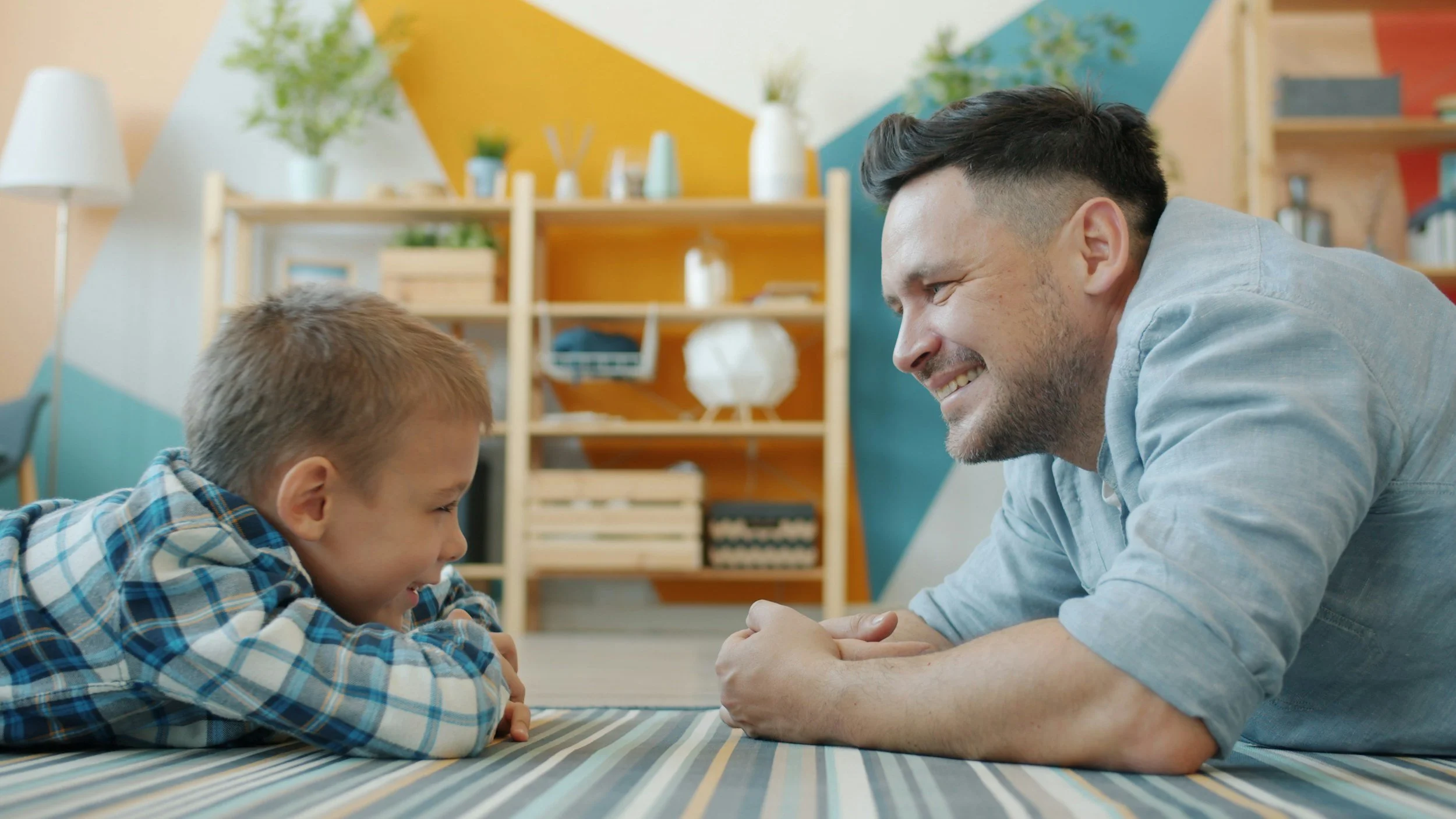
Long before a child reads their first word on a page, their brain is doing something remarkable. It is learning to hear the individual sounds inside spoken language. That hidden skill, called phonological awareness, is one of the strongest predictors of how easily a child will learn to read.
The good news is that phonological awareness is highly responsive to practice, and most of that practice can happen at home, in the car, at the dinner table, or right before bed. You do not need a workbook or a curriculum. You need a few minutes a day and a sense of what to listen for. This article will show you both.
What Phonological Awareness Actually Is
Phonological awareness is the ability to hear, identify, and play with the sounds of spoken language. It includes recognizing rhymes, breaking words into syllables, hearing the first sound in a word, blending sounds together, and eventually pulling individual sounds apart and putting them back in a different order.
It is important to understand that phonological awareness is purely auditory. It is what your child can do with their ears, not their eyes. Letters and print come later, and they build directly on this foundation. When phonological awareness is weak, decoding written words feels like trying to assemble a puzzle without seeing the picture on the box. When it is strong, learning to read becomes much more accessible.
Why This Foundation Matters So Much
Children who enter kindergarten with strong phonological awareness tend to learn to read on time and without significant struggle. Children who enter with weaker phonological awareness are at higher risk for reading difficulties, including dyslexia. This is not a question of intelligence or motivation. It is a question of whether the brain has had enough practice tuning into the sound structure of language.
Research over the past several decades has been remarkably consistent on this point. Phonological awareness is one of a small number of skills that, when measured early, can reliably predict later reading outcomes. That is why pediatricians, kindergarten teachers, and reading specialists pay so much attention to it. The earlier you catch a gap, the smaller the gap stays.
There are also early signs that parents can pay attention to. If you have noticed that your child has trouble with rhymes, mispronounces familiar words long past the typical age, or seems to have difficulty hearing differences between similar-sounding words, those are clues worth taking seriously. Our piece on hidden signs of dyslexia walks through what to look for in more detail. The earlier these patterns are noticed and supported, the smoother the path forward.
How Phonological Awareness Develops
Phonological awareness develops in a fairly predictable order, moving from the largest sound units to the smallest. Knowing this sequence helps you choose activities that match where your child actually is.
The general progression looks like this:
Awareness of words within sentences, where a child begins to notice that sentences are made up of separate words.
Awareness of syllables within words, where a child can clap out the syllables in their name or in familiar words.
Awareness of onset and rime, where a child can hear that "cat" starts with a /k/ sound and ends with the /at/ chunk.
Awareness of individual phonemes, where a child can isolate, blend, and eventually manipulate the smallest sound units in a word.
Phoneme manipulation, where a child can do more advanced tasks like changing the first sound in "cat" to make "bat" or removing a sound from a word to make a new one.
Most children move through these stages between ages three and seven, with phoneme-level skills developing alongside formal reading instruction. If your child is stuck at one level for a long time, that is useful information, not a cause for panic. It tells you where the practice should focus.
Everyday Activities That Build Phonological Awareness
You do not need to set up a lesson to practice these skills. You need to fold them into the moments you already have. Below are five activities that work well for most families and most ages, with small adjustments depending on where your child is in their development.
1. Rhyme Time in the Car
Car rides are perfect for this because there is nothing else competing for your child's attention. Start with simple rhyming pairs and ask if they rhyme: cat and hat, dog and log, pen and bed. Then move into producing rhymes: "Tell me a word that rhymes with sun." For younger children, silly nonsense rhymes count and are often more fun. Rhyming is the gateway skill that opens the door to everything else.
If your child cannot generate rhymes yet, start with recognition only. Say two words and ask, "Do those rhyme?" Build up from there.
2. Syllable Clapping at Mealtime
While dinner is cooking or you are sitting at the table, take turns clapping out the syllables in family members' names, foods on the plate, or favorite animals. "El-e-phant" gets three claps. "Spa-ghet-ti" gets three. "Ham-bur-ger" gets three. This trains the ear to chunk words into manageable pieces, which becomes critical when your child starts reading longer words.
You can also try jumping syllables instead of clapping. Movement helps some children attend better, and it makes the practice feel like a game.
3. The First Sound Game at Bath Time
Pick an object in the bathroom and ask, "What sound does soap start with?" The correct answer is the sound /s/, not the letter name. This distinction matters because phonological awareness is about hearing, not spelling. Once your child gets comfortable identifying first sounds, move to last sounds, then middle sounds.
If your child struggles with this, slow down and emphasize the first sound: "Sssssoap. What sound did you hear at the very beginning?" Sometimes that small adjustment is all they need.
4. Sound Blending at Bedtime
This activity asks your child to put sounds together to make a word. You say the sounds slowly, with small pauses: "/m/ ... /a/ ... /n/." Your child says the word: "man." Start with three-sound words, then move to four and five sounds as they get stronger.
Bedtime works well for this because the room is quiet and your child's attention is focused. Five minutes a night, several times a week, builds real skill over time.
5. Sound Swapping for Older Kids
Once your child can blend and segment sounds confidently, you can introduce phoneme manipulation. "Say cat. Now say it but change the /k/ to /b/." The answer is "bat." This is one of the most demanding phonological awareness skills and one of the most predictive of reading success. It is also surprisingly fun once a child gets the hang of it.
You can play this in the car, while waiting in line, or anywhere you have a few quiet minutes. No materials required. If your child finds this hard, drop back to simpler activities and come back to it in a few weeks. The point is consistent, low-pressure exposure, not mastery on day one.
A few minutes of these activities, several times a week, can make a meaningful difference. Consistency matters far more than duration. Five minutes a day for a month will move the needle further than an hour-long session once a week. The rhythm of regular, low-stakes practice is what builds the skill, and it is also what keeps it fun for both of you.
When Practice at Home Is Not Enough
For some children, even with consistent and thoughtful home practice, phonological awareness does not develop on the typical timeline. This is not a parenting problem or a child problem. It is a wiring difference, and it usually responds well to structured intervention from someone trained to deliver it.
If your child has been working on these skills for months without progress, or if you are seeing other signs that something is harder than it should be, it may be time to dig deeper. A literacy support and intervention program built on the science of reading can teach these skills in a more systematic, multisensory way. Our blog on multisensory approaches to literacy support explains how this looks in practice.
For families who want to understand what is going on at a deeper level, dyslexia testing can give you a clear picture of your child's underlying processing skills, including phonological awareness, and a roadmap for what kind of support will actually help.
Wrapping Up
Phonological awareness is one of those quiet skills that does enormous work behind the scenes. The activities in this article are simple by design, because the skill is built through repetition and play, not through pressure. If you can fold a few of these into your week, you are giving your child a real gift.
If you have been wondering whether your child needs more than home practice, or you want a clearer picture of how they are processing language, we are here to help. Talk With Our Team and we will figure out the right next step together.
Every learning difference is an opportunity to discover new strengths. We’re here to support your family in celebrating what makes your child uniquely amazing. Contact us today to learn more or get started!
